





The Evolving Landscape of Automotive & Motorcycle Parts: Quality, Innovation and Future Trends
The automotive and motorcycle parts industry serves as the backbone of the global mobility sector. Every reliable vehicle performance, smooth riding experience, and long-term durability relies on precision-made components crafted by professional manufacturing facilities. As global mobility technology upgrades rapidly and market demands diversify, the traditional parts manufacturing industry is undergoing profound transformations centered on quality optimization, technological innovation, and sustainable development.
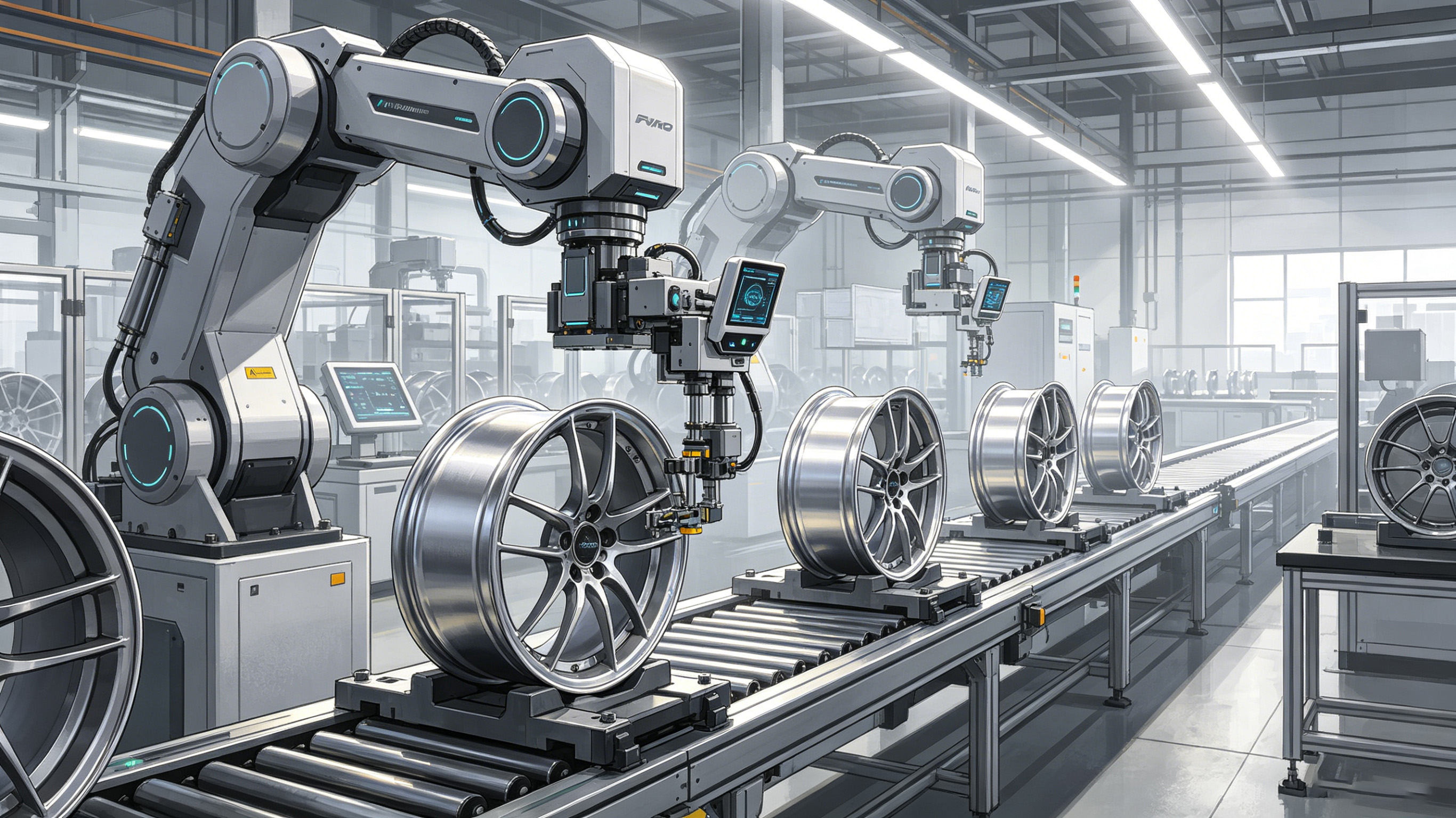
At the core of the Automotive & Motorcycle Parts industry lies precision manufacturing and strict quality control. Unlike ordinary mechanical parts, automotive and motorcycle components bear dynamic loads, extreme temperature changes, and long-term friction during operation. Every hub, sensor, mechanical fastener, and structural part requires standardized material selection and rigorous processing procedures. Top manufacturers follow international SAE industrial standards, adopting professional heat treatment, precision CNC machining, and dimensional calibration technologies to ensure each component delivers stable yield strength, fatigue resistance, and safety performance, eliminating hidden dangers caused by inferior materials or rough processing.
In recent years, the industry has ushered in three major development trends: electrification, lightweighting, and intelligence, reshaping the direction of parts R&D and production. With the global rise of new energy vehicles and intelligent motorcycles, traditional mechanical parts are gradually integrating with electronic and intelligent technologies. Smart sensors, intelligent safety components, and electric control system parts can now monitor vehicle operating status in real time, optimize driving efficiency, and improve active safety performance, greatly upgrading the overall intelligence level of vehicles.
Lightweight and eco-friendly manufacturing has also become an irreversible industry consensus. Major manufacturers are actively applying high-strength lightweight alloy materials and environmentally friendly production processes. This not only reduces vehicle energy consumption and improves handling flexibility, especially for motorcycle hubs and body structural parts, but also meets global environmental protection policies and low-carbon development requirements, balancing product performance and ecological sustainability.
For global buyers and aftermarket practitioners, choosing reliable parts suppliers is the key to long-term business development. A qualified industrial manufacturer not only has automated production workshops with high-precision equipment to support mass customized production, but also implements full-process quality inspection from raw material incoming inspection to finished product delivery. Standardized warranty policies and efficient after-sales support further enhance supply chain stability. Industry data shows that standardized OEM and high-quality aftermarket parts with complete qualification certificates can effectively reduce after-sales dispute rates and improve customer repurchase rates.
Moreover, the booming global cross-border trade has further activated the Automotive & Motorcycle Parts aftermarket. From universal maintenance accessories to vehicle-specific customized parts, the market covers diverse demands of replacement, modification, and daily maintenance. Mature supply chain systems and flexible production models enable manufacturers to meet the personalized needs of different regional markets while ensuring cost-effectiveness and product consistency.
Looking ahead, driven by artificial intelligence, IoT technology and advanced manufacturing processes, the automotive and motorcycle parts industry will continue to iterate and upgrade. Intelligent production lines will further improve manufacturing accuracy and efficiency, while innovative material applications and green production technologies will lead the industry’s sustainable development. For manufacturers, buyers and industry practitioners, keeping up with technological trends, adhering to quality standards, and optimizing supply chain layout will be the core competitiveness to seize global market opportunities.
In the ever-changing mobility industry, high-quality parts are always the cornerstone of vehicle safety and innovation. The future of automotive and motorcycle parts manufacturing will continue to focus on precision, intelligence and environmental protection, empowering safer, smarter and more efficient global travel.
